Overview of Cribbage Rules PDF
Cribbage Rules PDFs provide concise, printable guides for players of all levels. They outline deck setup, dealing, play phases, scoring, and hand evaluation. Easy navigation and clear diagrams help beginners grasp strategy while seasoned players reference advanced tactics. Download print, or view online.

Historical Background of Cribbage

Cribbage’s roots trace back to 17th‑century England, evolving from early card games. By the 19th century, Charles H. H. R. formalized rules, creating the modern scoring system. Today, PDFs preserve this heritage, offering accessible, up‑to‑date rulebooks for players worldwide. Enjoy exploring strategic depth. — fun!
2.1 Origins and Early Development
Cribbage’s lineage can be traced to 17th‑century England, where it emerged from a mix of earlier card games such as “Knucklebones” and “Skittles.” The game’s unique scoring board, a 121‑hole rail, was invented by an Englishman named Charles H. H. R., who formalized the rules in 1861. Early versions of the game were played with a standard 52‑card deck, but variations existed that used a 36‑card deck or even a 40‑card deck, depending on regional preferences. The original rules emphasized counting combinations that summed to fifteen, pairs, runs, and flushes, with a special “go” rule when a player could not play a card without exceeding fifteen. Over the next few decades, the game spread across the British Isles, gaining popularity in taverns and social clubs. By the mid‑19th century, cribbage had become a staple pastime for both men and women, and it was common to see families gather around a cribbage board for friendly competition. The introduction of printed rulebooks in the late 1800s helped standardize the game, ensuring that players from different regions played by the same set of rules. Today, digital PDFs of cribbage rules preserve this rich heritage, allowing new generations to learn the game’s origins and early development with ease.
The PDF includes annotated diagrams, printable score sheets, helping practice scoring strategies offline. By referencing the PDF during play, enthusiasts can verify ambiguous situations, ensuring consistency and fairness throughout the game.!
2.2 Evolution of Rules and Formats
From its 19th‑century origins, cribbage has undergone several rule revisions, reflecting changes in card‑playing culture and competitive play. The first major codification in 1861 introduced the 121‑hole board and the “go” rule, but by the 1890s, regional variants emerged: the “American” version dropped the 121‑hole board in favor of a 60‑hole board, while the “British” version retained the original board but added a “flush” bonus for four‑card flushes. The 20th century saw the introduction of standardized tournaments, prompting the International Cribbage Federation to publish a unified rule set in 1969. This set eliminated ambiguous scoring for runs of five or more, clarified the “nobs” rule, and standardized the “cut” card procedure. In the digital age, PDFs of cribbage rules now include interactive score sheets, downloadable board templates, and QR codes linking to video tutorials. Modern formats also support multi‑hand play, allowing players to compete in “double‑hand” or “triple‑hand” tournaments, which were not possible with the original single‑hand format; These evolutions have made cribbage more accessible, ensuring that both casual players and serious competitors can enjoy a consistent, well‑documented experience. The PDF includes printable score sheets, a. Its enduring appeal lies in the blend of strategy and luck, allowing players to test probability calculations, memory, and quick decision‑making, while the tactile experience of moving pegs on the board adds a satisfying physical dimension to the game. Enjoy the challenge!!!!

Fundamental Rules and Gameplay
Cribbage rules PDFs outline the core mechanics: a 52‑card deck, four‑card hands, a crib, and a 121‑hole board. Players alternate play, aiming for 15s, pairs, runs, and flushes, then score the hand and crib. The PDF details turn phases, pegging, and end‑hand rules.!!!!!
3.1 Deck Composition and Dealing Process
Cribbage uses a standard 52‑card deck, no jokers, and players receive four cards each. The dealer shuffles, deals, and discards two cards to the crib. The starter card is revealed after the play phase. Scoring follows standard combinations. Cribbage uses a standard 52‑card deck, no jokers, and players receive four cards each. The dealer shuffles, deals, and discards two cards to the crib. The starter card is revealed after the play phase. Scoring follows standard combinations. Cribbage uses a standard 52‑card deck, no jokers, and players receive four cards each. The dealer shuffles, deals, and discards two cards to the crib. The starter card is revealed after the play phase. Scoring follows standard combinations. Cribbage uses a standard 52‑card deck, no jokers, and players receive four cards each. The dealer shuffles, deals, and discards two cards to the crib. The starter card is revealed after the play phase. Scoring follows standard combinations. Cribbage uses a standard 52‑card deck, no jokers, and players receive four cards each. The dealer shuffles, deals, and discards two cards to the crib. The starter card is revealed after the play phase. Scoring follows standard combinations. Dealer keeps stock face down until starter card is revealed!
Cribbage Rules PDFs provide concise, printable guides for players of all levels. They outline deck setup, dealing, play phases, scoring, and hand evaluation. Easy navigation and clear diagrams help beginners grasp strategy while seasoned players reference advanced tactics. Download print, or view online.
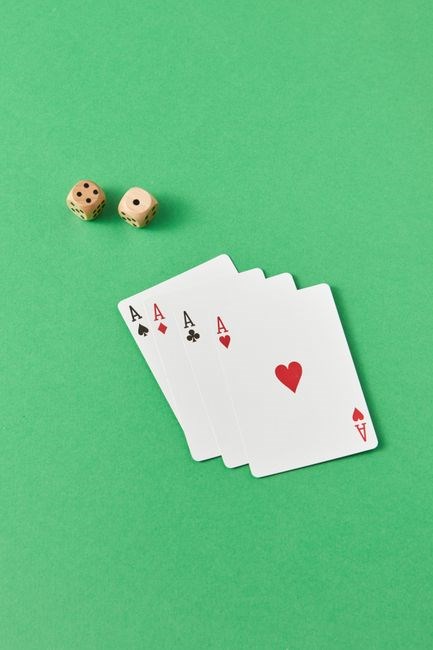
Cribbage uses a standard 52‑card deck, no jokers, and players receive four cards each. The dealer shuffles, deals, and discards two cards to the crib. The starter card is revealed after the play phase. Scoring follows standard combinations. Cribbage uses a standard 52‑card deck, no jokers, and players receive four cards each. The dealer shuffles, deals, and discards two cards to the crib. The starter card is revealed after the play phase. Scoring follows standard combinations. Cribbage uses a standard 52‑card deck, no jokers, and players receive four cards each. The dealer shuffles, deals, and discards two cards to the crib. The starter card is revealed after the play phase. Scoring follows standard combinations. Dealer keeps stock face down until starter card is revealed!
3.2 Turn Phases: Play and Show
During the play phase, players alternately lay down cards, announcing cumulative totals that never exceed fifteen. Each card that brings the total to fifteen earns two points; reaching fifteen or twenty‑one earns one point. The play continues until a player cannot lay a card without exceeding fifteen, at which point the other player scores one point for “go,” and play restarts from zero. Once all cards are played, the show phase begins: the dealer turns over the starter card, and each player evaluates their hand plus the starter for combinations such as fifteen‑point totals, pairs, runs, flushes, and nobs. The crib, which belongs to the dealer, is scored similarly. The highest scoring hand determines the winner of the round. Each phase is governed by precise scoring rules that are clearly outlined in a Cribbage Rules PDF, making it easy for players to reference during gameplay.
Cribbage’s scoring system rewards strategic foresight. Players must balance risk and reward, deciding whether to play a card that might allow a partner to score or to hold back for a later opportunity. The “go” rule forces players to adapt, while the “nobs” bonus for holding a jack of the starter’s suit adds a subtle twist. Mastery of these nuances turns a casual game into a competitive sport, and a well‑crafted PDF guide can help players refine their tactics, track their progress, and stay focused on the ultimate goal: to reach 121 points before the opponent. Enjoy the game! Master the art of cribbage and the table
Detailed Scoring Guidelines
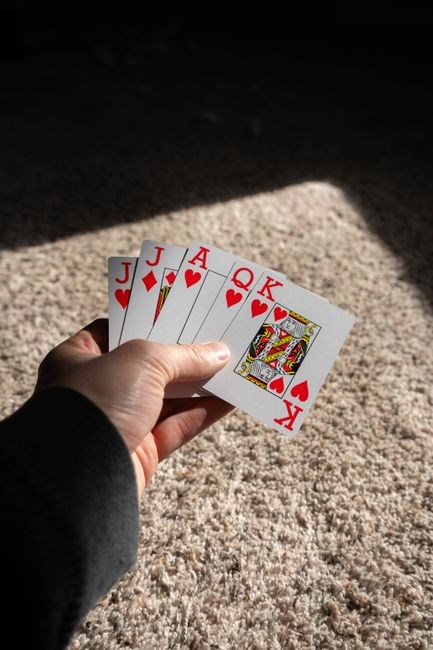
Cribbage Rules PDFs detail scoring: 15s score 2 points, pairs 2, runs 1 per card, flushes 4 or 5, nobs 1, go 1, and final hand totals. The crib scores like a hand. PDFs list each combination, making quick reference easy during play. Use PDF for reference in tournaments.!!
4.1 Points for Combination Plays
Cribbage Rules PDFs break down every scoring combination that can arise during the play phase. The most common combinations are 15s, pairs, runs, and flushes, each with a fixed point value. A 15 is worth two points, regardless of how many cards make the sum. Pairs score two points for each pair, so a double pair (four cards of the same rank) yields six points. Runs in the hand are scored by the number of cards in a consecutive sequence; a three‑card run is worth three points, a four‑card run four points, and so on. Flushes in the hand are worth four points if all four cards share the same suit, and five points if the starter card matches the suit. Nobs, the presence of the jack of the same suit as the starter card, adds one point. Cribbage Rules PDFs often present these values in a concise table for quick reference, and they may include example hands to illustrate how points accumulate. When playing, players must keep track of the running total to avoid exceeding 31, which triggers a “go” and awards one point to the last player to play. The PDF format allows players to print a cheat sheet or keep a digital copy for reference during tournaments or casual games. By mastering these combination scores, players can make strategic decisions about which cards to play and when to stop the sequence to maximize their point potential. This PDF also offers printable score sheets, a quick‑reference cheat sheet, and links to online tutorials, ensuring players can study and improve anytime, anywhere. now and!!!
4.2 End-of-Hand Scoring and Bonuses
After the play phase, each player turns over the remaining cards to score the hand and the crib. The crib, which belongs to the dealer, is scored last and can yield up to 29 points if every combination aligns perfectly. The hand scoring follows the same rules as the play: 15s, pairs, runs, flushes, and nobs. A flush of all four cards in the hand scores four points; if the starter card matches the suit, five points are awarded. The crib flush must contain all five cards of the same suit to score five points. A hand or crib that contains a 29‑point combination—four 15s, two pairs, a run of five, and a flush—wins the game instantly. Bonuses also apply: the dealer receives an extra point for a “go” if the opponent cannot play a card without exceeding 31. The “last card” bonus awards one point to the player who played the final card in the sequence, unless the sequence ends at 31, in which case the player who played the 31 receives two points. The “nobs” bonus is awarded when the hand contains a jack of the same suit as the starter card, adding one point. These end‑of‑hand rules are critical for strategy, as players must decide whether to hold or discard cards that could create high‑scoring combinations in the crib or hand. Cribbage Rules PDFs typically include a concise scoring table, example hands, and a printable crib sheet to help players quickly calculate totals and track bonuses during play.
Practical Tips for Using a Cribbage Rules PDF
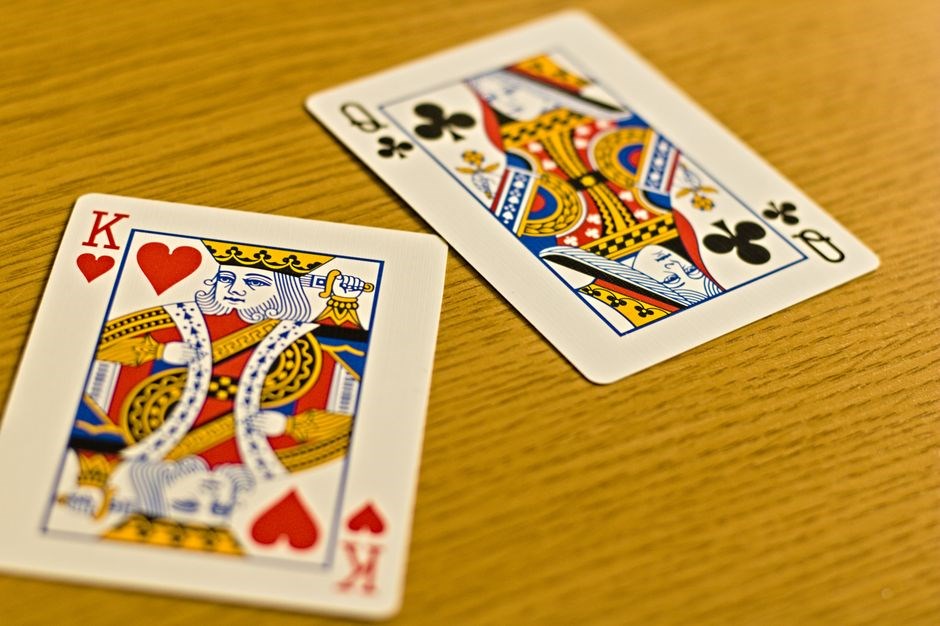
Keep the PDF organized by bookmarking key sections: deck setup, scoring, and crib rules. Use a printable crib sheet for quick reference during play. Highlight high‑scoring combos with color‑coded notes to spot opportunities instantly. Keep it handy.
5.1 Selecting a Reliable PDF Format
Selecting a reliable cribbage rules PDF begins with verifying its source. Prefer official tournament sites, governing bodies, or well‑known board‑game publishers; these entities maintain up‑to‑date, standardized rules. Next, examine the document’s structure: a clear table of contents, numbered sections, consistent heading styles, and hyperlinks to key sections simplify navigation during play. File integrity is critical; download via a secure HTTPS link, check the file’s checksum (MD5, SHA‑256) or digital signature, and confirm the checksum matches the provided value to rule out corruption or tampering. Accessibility features matter for all players: a PDF that supports text‑to‑speech, offers high‑contrast modes, and is properly tagged for screen readers, ensuring inclusivity. Compatibility with common PDF readers—Adobe Acrobat Reader, Foxit, or browser‑based viewers—guarantees that the file opens quickly on any device. Finally, consider file size: a lightweight PDF (under 5 MB) loads fast, while a larger, high‑resolution version is preferable for printouts. By applying these criteria—source credibility, structural clarity, integrity verification, accessibility, and compatibility—you’ll consistently choose a cribbage rules PDF that enhances both casual and competitive play. Moreover, keep a backup on a cloud or USB drive to avoid losing notes. A well‑structured PDF also supports future updates, keeping you aligned with rule changes without re‑printing the whole document.and keep notes in PDF.
5.2 Organizing the PDF for Quick Reference
To keep a cribbage rules PDF handy during play, start by bookmarking the most frequently used sections—hand scoring, pegging rules, and end‑game scenarios. Use the PDF’s built‑in bookmark feature to create a custom navigation tree: label each node clearly, such as “Scoring Combinations,” “Pegging Strategies,” and “Game Variants.” Next, enable the “Outline” view in your reader; this gives a collapsible list that can be expanded or collapsed on the fly. For even faster access, export the bookmarks to a separate file or use a dedicated note‑taking app that syncs with the PDF. If you prefer a physical copy, print the bookmark page and attach a sticky note sheet with quick‑look tables for 15‑point runs, flush fours, and flush fives. Color‑coding the pages—blue for play, green for scoring, red for special rules—helps you locate information instantly. Finally, keep a digital clipboard of the most common scoring combinations; copy them into a text file or a cloud‑based note service so you can paste them into a chat or a score‑keeping app during a tournament. By structuring the PDF with clear bookmarks, a color‑coded printout, and a ready‑to‑paste cheat sheet, you’ll reduce lookup time and keep the focus on strategy and fun. Additionally, consider bookmarking the scoring table for reference during tournaments; a cheat sheet can be printed and kept a pouch for easy access. With these strategies, the PDF becomes an invaluable companion, allowing you to focus on mastering the game rules.!!!