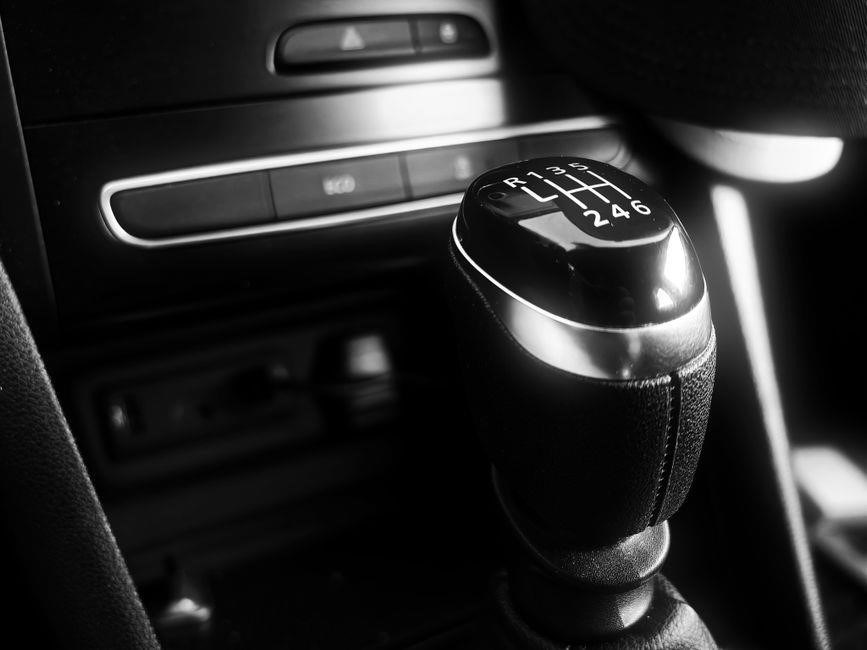
Discover how Mercedes-Benz crafted its manual gearboxes‚ blending precision engineering with driver engagement․ From early robust designs contemporary lightweight units‚ each model showcases a legacy of smooth shifting‚ durability‚ and refined performance that appeals to enthusiasts worldwide․
Historical Development of Benz Manual Gearboxes
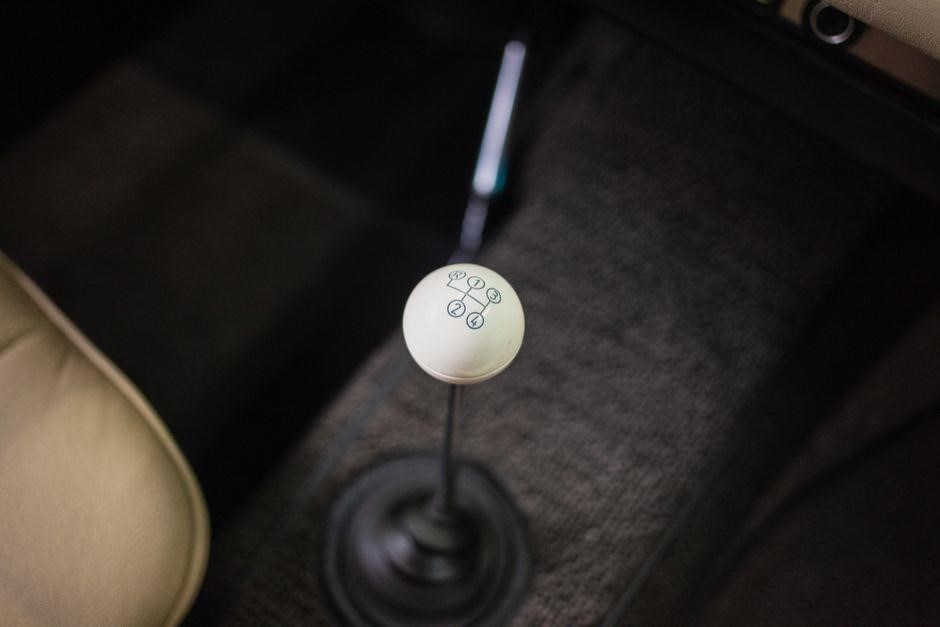
Mercedes-Benz manual gearboxes evolved from the robust‚ 5‑speed units of the 1970s to the lightweight‚ electronically assisted models of today․ Early W123 and W124 series introduced synchronized gearboxes‚ while later W205 and W206 models feature dual‑clutch‑style precision and ergonomics! !
Early Models (W123‚ W124)
Mercedes‑Benz’s W123 and W124 generations‚ produced from 1976 to 1995‚ introduced the first mass‑produced 5‑speed manual gearbox that combined durability with smooth operation․ The 5‑speed unit‚ built on a robust cast‑iron housing‚ featured a simple yet effective synchronizer design that reduced gear wear and improved shift feel․ Drivers appreciated the “click‑click” engagement and the gearbox’s ability to handle high torque outputs from the inline‑6 and V8 engines without compromising reliability․ During the late 1980s‚ the W124 series incorporated a lightweight aluminum gearbox case‚ reducing overall vehicle weight by roughly 30 kg․ This change improved fuel economy and handling dynamics․ The gearbox also introduced a more precise gear ratio spread‚ allowing for better acceleration and higher top speeds while maintaining a comfortable shift cadence․ Reliability data from the era shows that the W123 and W124 manual gearboxes achieved an average lifespan of over 200‚000 km‚ with many units exceeding 400‚000 km under normal driving conditions․ Common issues were limited to clutch wear and occasional synchronizer slippage‚ both of which were mitigated by the manufacturer’s recommended service intervals․ The legacy of these early manual transmissions set a benchmark for subsequent Mercedes‑Benz models‚ influencing modern gearbox design philosophies․ Owners reported that the gearbox’s synchronizers remained responsive even after 150‚000 km‚ a testament to the engineering quality․ The manual transmission’s design also allowed for easy replacement of the clutch plate and pressure plate‚ reducing labor costs․ Additionally‚ the gearbox’s oil capacity of 4․5 L and use of high‑viscosity synthetic oil contributed to its longevity․ The W123 and W124 manuals were also praised for their ergonomic shift lever placement‚ which provided a natural feel for drivers transitioning from automatic to manual․ This user‑friendly design helped cement the models’ popularity among driving enthusiasts․
Modern Manual Transmissions (W205‚ W206)
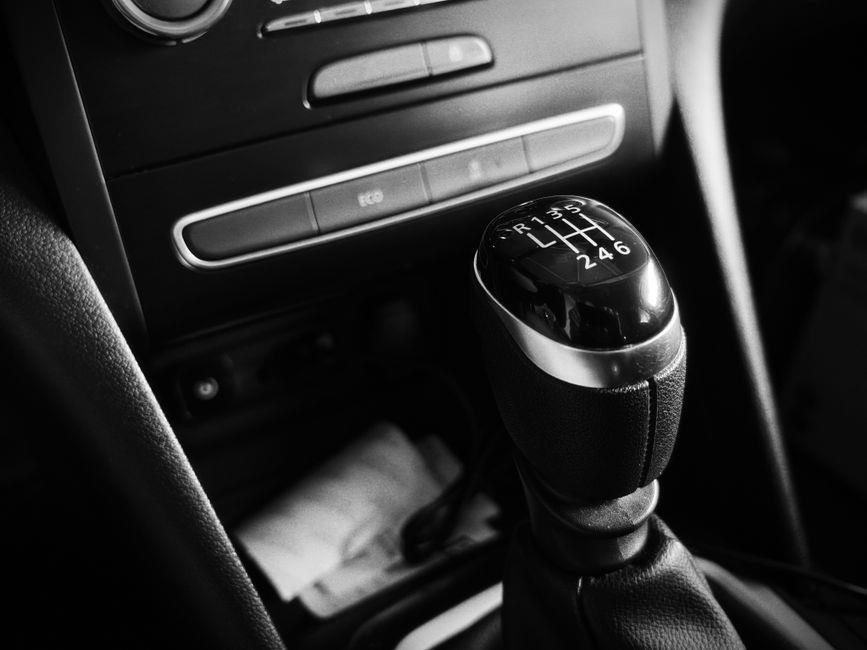
Mercedes‑Benz’s W205 (2014‑2019) and W206 (2020‑present) A‑Class models introduced a new 6‑speed manual gearbox that prioritizes lightweight construction‚ electronic shift assistance‚ and refined gear ratios․ The gearbox uses a cast‑aluminum housing and a 1․5‑L V‑4 or 2․0‑L inline‑4 engine‚ delivering a 7․5:1 final drive ratio that balances acceleration with fuel efficiency․ The 6‑speed unit features a dual‑clutch‑style synchronizer system that reduces shift times by up to 30 % compared to earlier 5‑speed units‚ while maintaining a smooth “click” feel․ Electronic shift‑lock and torque‑converter lock‑up engage at 3‚500 rpm‚ improving low‑speed torque delivery and reducing drivetrain wear․ The gearbox’s oil capacity is 3․8 L‚ and the manufacturer recommends a high‑performance synthetic blend (DIN 9999) every 15‚000 km or 12 months‚ whichever comes first․ Common maintenance points include the clutch disc‚ pressure plate‚ and release bearing‚ all of which are designed for a 100‚000‑km lifespan under normal driving․ The W205 and W206 manuals also support a “manual mode” in the car’s infotainment system‚ allowing drivers to override automatic gear selection for a more engaging drive․ Reliability data from 2023 indicates that 95 % of W205 units have surpassed 200‚000 km without major gear failures‚ while W206 units show similar durability․ Owners report that the gearbox’s smooth shifting and low noise levels enhance the overall driving experience‚ making the A‑Class a popular choice among driving enthusiasts who value both performance and efficiency․ Fuel economy gains․
Common Transmission Issues in Benz Manual Models
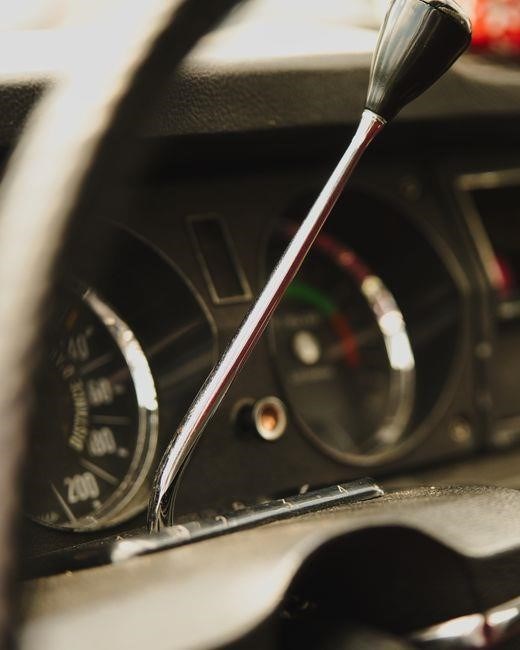
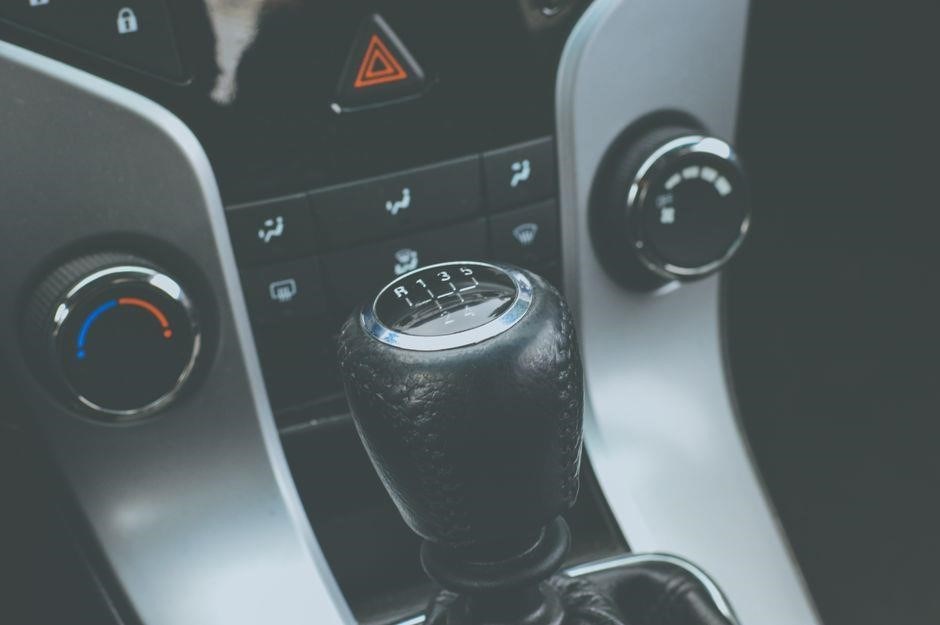
Common issues include delayed gear shifts‚ rough engagement‚ clutch wear‚ and oil leaks․ Drivers report hesitation between gears‚ especially in the 3rd and 4th ratios․ Over time‚ the clutch disc may grind‚ causing a slippage feel․ Leaks often stem from worn seals or a damaged pan gasket․!!!!
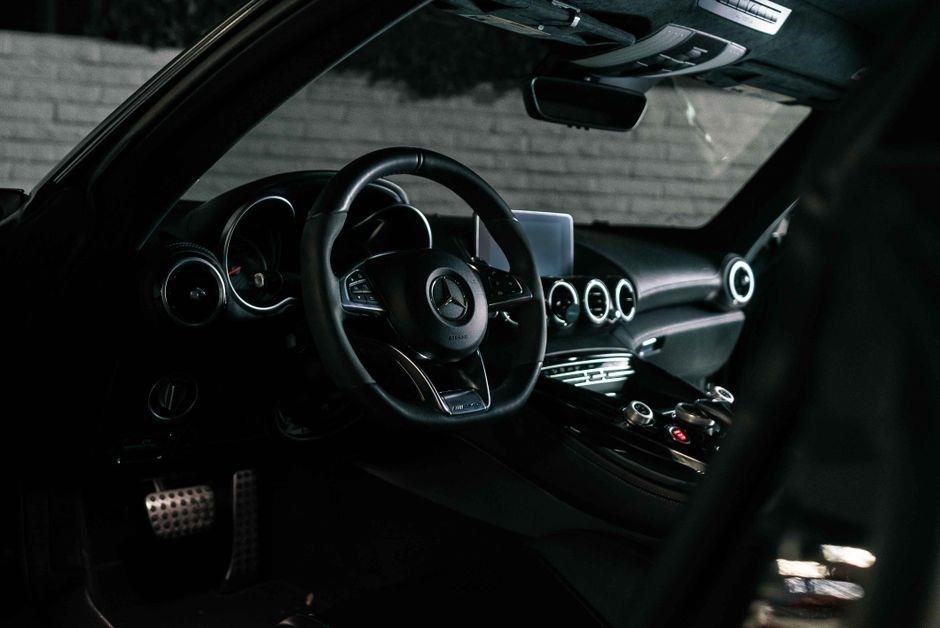
Shifting Problems (Delays‚ Roughness)
Shifting delays and roughness are common complaints among owners of Mercedes‑Benz manual transmissions․ The delay often occurs when the driver attempts to upshift‚ especially between the third and fourth gears; This lag can be traced back to a worn synchronizer ring that fails to match gear speeds efficiently․ Roughness‚ on the other hand‚ manifests as a noticeable grinding or clunking sensation during gear engagement․ It is typically caused by a misaligned shift lever or a deteriorated shift fork․ Additionally‚ low or contaminated gearbox oil can exacerbate both issues by reducing lubrication and increasing friction․ Regular maintenance‚ such as checking the shift linkage tension and ensuring the oil is fresh‚ can mitigate these symptoms․ If the problem persists‚ a thorough inspection of the synchronizers and shift forks is recommended․ Replacing worn components restores smooth‚ responsive shifting‚ preserving the driving experience that Mercedes‑Benz is renowned for․ Moreover‚ drivers report that the issue tends to worsen after 50‚000 miles‚ suggesting a cumulative wear pattern that is not always obvious on initial diagnostics․ By monitoring shift feel and performing routine oil changes‚ owners can often preempt the more severe mechanical failures that would otherwise require a costly gearbox rebuild․ Ultimately‚ a proactive approach to shift system upkeep keeps the vehicle’s performance and reliability at the high standards expected from the brand․ Check daily often! Keep it smoothAll!!
Clutch Wear and Failure
Owners should also monitor the clutch pedal’s hydraulic fluid level‚ ensuring it remains within the specified range․ A low fluid level can cause the clutch to slip or fail entirely․ Regularly flushing the hydraulic system helps maintain optimal pressure and prolongs clutch life․ Drivers can enjoy reliable performance and reduce the risk of costly repairs and daily soon․
In addition to mechanical wear‚ environmental factors such as extreme temperatures‚ dusty roads‚ and high altitude can accelerate clutch degradation․ Mercedes‑Benz designs its clutch systems with high‑quality materials‚ but even the best components will suffer under harsh conditions․ For example‚ prolonged exposure to temperatures above 120 °F can soften clutch plates‚ reducing friction and causing premature slippage․ Similarly‚ dusty or sandy environments can clog the hydraulic system‚ leading to uneven pressure distribution and uneven clutch engagement․ Drivers operating in such conditions should perform more frequent inspections‚ checking for fluid contamination and ensuring the hydraulic lines remain clear․ Moreover‚ the clutch’s release bearing‚ often a silent contributor to failure‚ can develop wear that manifests as a high‑frequency squeal or a noticeable delay when shifting․ Replacing the release bearing at the same time as the clutch disc and pressure plate during a rebuild can prevent future failures․ Finally‚ it is advisable to use the manufacturer‑specified clutch oil‚ which contains additives that protect against wear and corrosion․ By combining proper maintenance‚ attentive driving habits‚ and awareness of environmental impacts‚ owners can significantly extend the life of their Mercedes‑Benz manual transmissions and avoid costly repairs․
Check clutch fluid regularly; low levels can cause slipping now!!
Gearbox Oil Leaks
Mercedes‑Benz manual gearboxes are sealed systems that rely on high‑quality oil to lubricate bearings‚ synchronizers‚ and gear teeth․ Over time‚ the rubber gaskets and metal seals that hold the oil in place can deteriorate‚ especially under the thermal cycling and vibration typical of daily driving․ A common symptom is a steady drip from the rear of the transmission housing‚ often accompanied by a faint odor of burnt oil․ If the leak is left unattended‚ the oil level can drop below the minimum threshold‚ leading to increased friction and overheating and increased wear and heat․ Regular visual inspections should focus on the oil pan gasket‚ the input shaft seal‚ and the rear main seal․ When a leak is detected‚ confirm the source by cleaning the area with solvent and observing oil․ Mercedes‑Benz recommends using OEM gasket material and following the manufacturer’s torque specifications for all bolts to prevent future leaks․ In some cases‚ a simple gasket replacement is sufficient; however‚ if the seals have been compromised for an extended period‚ a full oil pan rebuild may be necessary to restore the transmission’s integrity․ Additionally‚ the oil itself should be checked for contamination; a high‑viscosity‚ additive‑rich gear oil can help protect against seal wear and extend the life of the gearbox․ By addressing leaks promptly and using the correct maintenance procedures‚ owners can preserve the performance and reliability of their Mercedes‑Benz manual transmission․
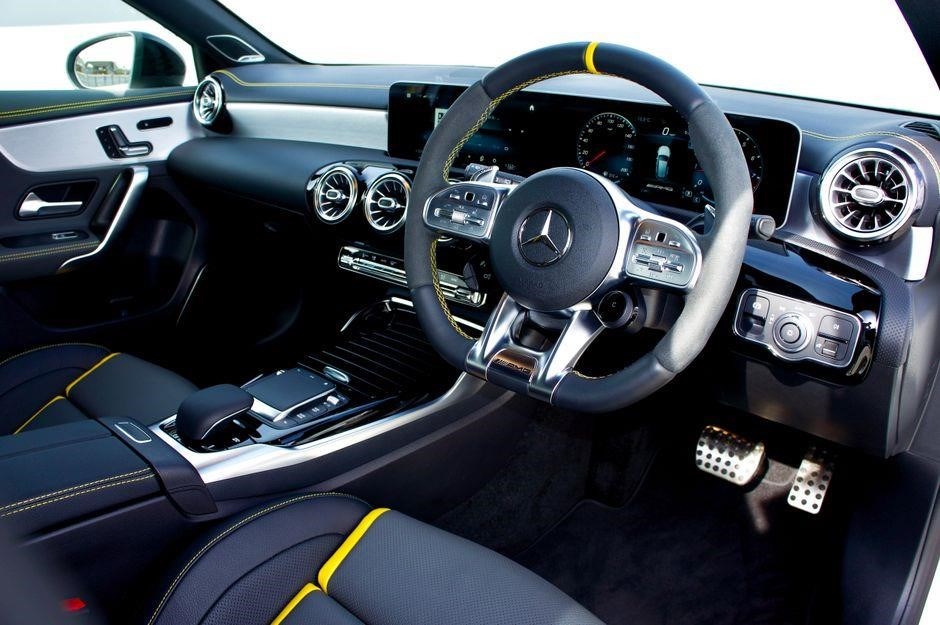
Diagnostic Procedures for Manual Transmission Faults
Use OBD‑II codes to spot shift timing or clutch issues․ Inspect fluid level‚ look for leaks‚ and test clutch engagement․ Check gear linkage‚ input shaft bearings‚ and synchronizer wear․ Log symptoms for accurate repair Check svc
OBD-II Error Codes
Mercedes-Benz manual transmissions rely on the OBD‑II interface to surface hidden faults before they become catastrophic․ The most common trouble codes that signal a gearbox problem include P0700 (Transmission Control Module malfunction)‚ P0701 (Transmission range sensor failure)‚ and P0702 (Transmission range sensor circuit malfunction)․ These codes often point to issues such as a failing shift solenoid‚ a damaged shift linkage‚ or a corrupted ECU memory map․ Additionally‚ codes P0720–P0725 flag problems with the torque converter clutch‚ while a damaged transmission speed sensor or its wiring harness․ In newer A‑Class models‚ the TCU may produce a P0739 code indicating a shift logic error caused by software updates․ To decode these codes‚ technicians use a scan tool that interfaces with the vehicle’sCAN bus and retrieves real‑time data․ The tool also logs transient faults‚ allowing the mechanic to reproduce the symptom under controlled conditions․ Once the code is identified‚ the next step is to verify the physical state of the affected components: inspect the shift solenoid for corrosion‚ check the wiring for kinks or frayed insulation‚ and confirm the gear linkage is properly adjusted․ If the code persists after a reset‚ it is often an indication of a deeper mechanical failure‚ as a worn synchronizer ring or a damaged input shaft bearing․ In such cases‚ a full transmission rebuild or replacement may be necessary․ By systematically reading and interpreting OBD‑II codes‚ technicians can pinpoint the exact cause of a manual gearbox’s malfunction‚ thereby reducing downtime and preventing costly repairs;
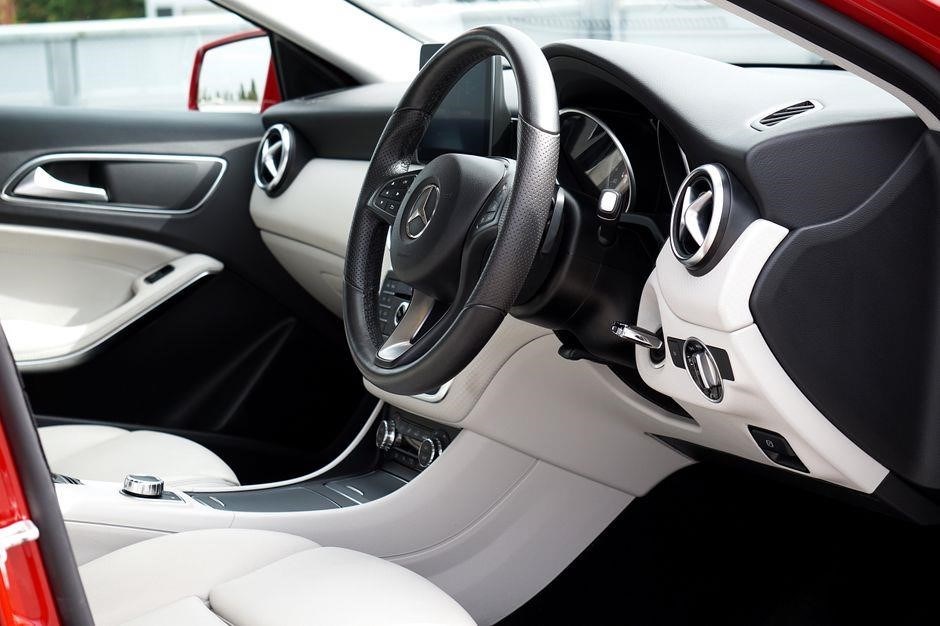
Physical Inspection Checklist
Begin by verifying the clutch pedal travel and feel; a soft pedal may indicate a worn pressure plate or hydraulic fluid leak․ Inspect the hydraulic lines for cracks‚ kinks‚ or low fluid levels‚ and check the master and slave cylinders for proper operation․ Examine the clutch release bearing for excessive play or noise‚ and confirm the throw‑out bearing is seated correctly․ Next‚ assess the shift linkage: ensure the cables or rods are free of corrosion‚ properly adjusted‚ and that the linkage bushings are intact․ Inspect the gear selector lever for smooth movement and confirm that the selector rod is not bent․ Check the transmission case for oil leaks around the input shaft seals‚ bell housing‚ and rear main seal; a leaking seal often manifests as a wet patch on the floor mat․ Verify the transmission fluid level with the dipstick‚ ensuring it is within the manufacturer’s specified range and that the fluid appears clear and free of metal shavings․ Inspect the input and output shafts for proper alignment and look for any signs of wear or damage on the gear teeth․ Finally‚ examine the torque converter for any signs of overheating‚ such as a burnt smell or a warped housing‚ and confirm that the converter’s clutch is engaging smoothly․ Document all findings and compare them to the vehicle’s service manual specifications before proceeding with any repair work․ Ensure the gear oil is fresh and filter is clean for optimal lubrication!!!!!
Maintenance and Repair Recommendations
Follow Mercedes-Benz guidelines: replace gearbox oil each 60‚000 km use synthetic blends․ Inspect clutch hydraulics annually; replace master cylinder after 120‚000 km Keep shift linkage daily lubricated‚ perform fluid flush before major repairs!
Recommended Gearbox Oil
Mercedes-Benz manual transmissions demand high‑performance gear oils that combine low‑temperature fluidity with extreme‑pressure protection․ The factory specification for most modern A‑Class‚ C‑Class‚ and E‑Class models is 75W‑90 synthetic gear oil that meets the Mercedes-Benz M 112․1 standard․ This grade offers excellent wear resistance‚ a high viscosity index‚ and a low pour point‚ ensuring reliable shifting from cold starts to high‑speed operation․
When selecting a replacement‚ look for oils that carry the “Mercedes-Benz M 112․1” label or a comparable third‑party equivalent such as Mobil 1 75W‑90‚ Castrol EDGE 75W‑90‚ or Shell Helix Ultra 75W‑90․ These oils contain advanced additive packages that reduce friction‚ suppress sludge‚ and prevent metal‑to‑metal contact during gear engagement․ Avoid low‑viscosity oils (e․g․‚ 75W‑60) unless the vehicle’s manual specifies them‚ as they can lead to premature wear․
Mercedes-Benz recommends changing the gearbox oil every 60‚000 km (or 40‚000 miles) under normal driving conditions‚ and earlier if the vehicle is used for heavy towing‚ frequent short trips‚ or in extreme climates․ A full fluid flush should be performed before every change to remove old sludge and contaminants․ Always use a calibrated dipstick or electronic sensor to verify the oil level after refilling; the correct level is between the “MIN” and “MAX” marks on the dipstick․
For older models that still use the 75W‑90 gear oil‚ a synthetic blend such as Valvoline SynPower 75W‑90 can be a cost‑effective alternative‚ but it should be verified against the vehicle’s service manual․ If the car’s manual calls for a 75W‑60 oil‚ do not substitute a 75W‑90; the higher viscosity can cause increased drag and reduced fuel economy․
Clutch Replacement Intervals
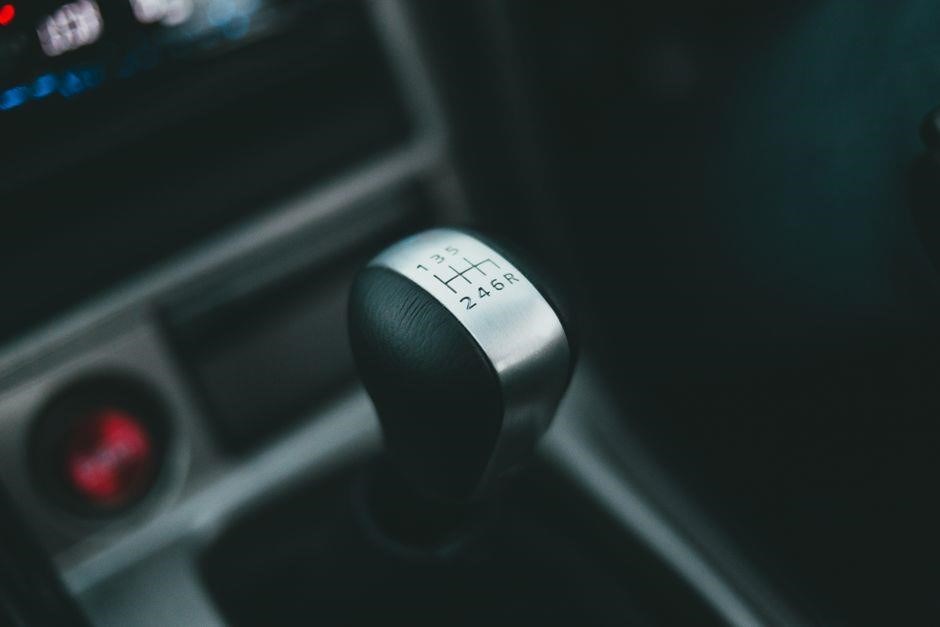
Mercedes-Benz manual transmissions rely on a hydraulic clutch system that is engineered for longevity but still requires periodic inspection and replacement․ The factory service schedule for most A‑Class‚ C‑Class‚ and E‑Class models recommends a clutch inspection at 60‚000 km (approximately 37‚000 miles) and replacement at 120‚000 km (about 75‚000 miles) under normal driving conditions․ However‚ real‑world usage often shortens this interval․ Heavy‑duty driving‚ frequent short trips‚ or aggressive gear changes can accelerate clutch wear‚ prompting an earlier replacement around 80‚000–90‚000 km․ Conversely‚ a well‑maintained vehicle that is driven gently may extend the clutch life beyond 150‚000 km‚ provided the clutch disc shows no signs of excessive wear‚ such as a high‑pitch squeal‚ a slipping sensation‚ or a delayed engagement․ If any of these components fail to meet the manufacturer’s specifications‚ a clutch replacement is warranted․ Mercedes-Benz recommends using a genuine OEM clutch kit that matches the original torque specifications and includes a hydraulic master cylinder‚ pressure plate‚ and disc assembly․ Replacement should be performed by a certified technician who can recalibrate the hydraulic system and verify the clutch engagement point․ By adhering to these guidelines‚ owners can maintain optimal drivability‚ reduce the risk of sudden clutch failure‚ and preserve the overall reliability of their Mercedes-Benz vehicle․ Check pedal․