
TEM6 offers a streamlined experience, integrating seamlessly with Google Chrome and Google Accounts for enhanced functionality. This guide details the installation process, ensuring a smooth setup for optimal performance and security.
What is TEM6?
TEM6 is a multifaceted software solution designed to optimize digital workflows and enhance user productivity. It’s a technology corporation focused on information technology, online advertising, and search engine capabilities, mirroring the innovative spirit of Google LLC. TEM6 aims to provide a secure and customizable environment, similar to the Google Chrome browser, prioritizing speed and user experience.
At its core, TEM6 facilitates seamless integration with various Google Services, allowing users to leverage tools like Google Docs for collaborative document creation and editing. It’s built to personalize your digital experience, offering easy access to essential functions and streamlining complex tasks. TEM6 also emphasizes security, providing a robust platform for managing sensitive information and protecting against potential threats, much like the secure browsing features found within Chrome.
Essentially, TEM6 is a comprehensive platform designed to empower users with a more efficient and connected digital lifestyle.
System Requirements for TEM6
To ensure optimal performance, TEM6 requires a compatible operating system. Windows 8 Pro and later versions are fully supported, offering the best experience. A minimum of 4GB of RAM is recommended, though 8GB or more will significantly enhance responsiveness, especially when utilizing Google Chrome alongside TEM6.
Processor requirements include a dual-core processor with a clock speed of 2.0 GHz or higher. Sufficient disk space is crucial; at least 10GB of free space on your primary drive is needed for installation and ongoing operation. A stable internet connection is also essential for downloading updates and accessing Google Services integrated within TEM6.
Graphics requirements are modest, with any modern graphics card capable of supporting basic display functions. Finally, ensure your system is up-to-date with the latest drivers to avoid compatibility issues and maximize performance. Meeting these requirements will guarantee a smooth and reliable TEM6 experience.
Overview of the Installation Process
The TEM6 installation is a straightforward process designed for ease of use. It begins with preparing your system, including backing up important data to prevent loss during installation. Next, you’ll download the necessary installation files, ensuring their integrity through verification checks.
The core of the installation involves running the installation wizard, carefully accepting the license agreement, and selecting a suitable installation directory. Following this, the initial setup wizard guides you through essential configurations, including user account creation and network settings.

Post-installation, updating TEM6 to the latest version is crucial for security and stability. Integrating Google Chrome and your Google Account completes the setup, unlocking the full potential of TEM6’s features. This overview provides a clear roadmap for a successful installation.
Preparing for Installation
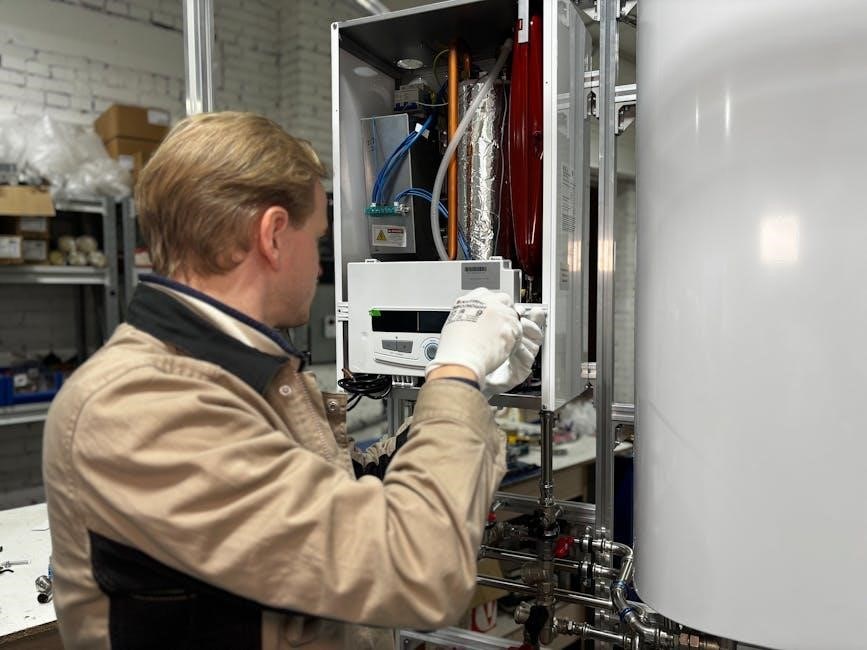
Before beginning, back up your system, download the TEM6 files, and verify their integrity. This ensures a smooth, secure installation process and data protection.
Backing Up Your System
Prior to initiating the TEM6 installation, creating a comprehensive system backup is absolutely crucial. This precautionary measure safeguards your valuable data against unforeseen issues that may arise during the installation process, such as unexpected errors or system instability. A complete backup allows for a swift restoration to your previous configuration should any complications occur.
Consider utilizing Windows’ built-in backup and restore features, or explore third-party backup solutions for more advanced options like image-based backups. Image backups capture the entire state of your system, including the operating system, applications, and all your personal files. Ensure your backup destination has sufficient storage capacity to accommodate the entire backup image. Regularly testing your backups is also recommended to verify their integrity and ensure a successful restoration when needed. Don’t underestimate the importance of this step – a little preparation can save you significant headaches down the line!
Downloading the TEM6 Installation Files
To begin the installation, you must first download the necessary TEM6 installation files. Access the official TEM6 website – ensure you are on a secure (HTTPS) connection – and navigate to the downloads section. Locate the installer package compatible with your operating system (Windows, macOS, or Linux). Pay close attention to the system requirements listed alongside the download links to confirm compatibility.
The installer typically comes in a compressed archive format (e.g., .zip, .tar.gz). Once downloaded, extract the contents of the archive to a convenient location on your computer. Avoid downloading installation files from unofficial sources, as these may contain malware or corrupted files. Always verify the integrity of the downloaded files using checksum verification (if provided on the download page) to ensure a safe and reliable installation process. A stable internet connection is recommended for a smooth download experience.
Verifying the Downloaded Files
After downloading the TEM6 installation files, it’s crucial to verify their integrity. This step ensures the files haven’t been corrupted during the download process or tampered with by malicious actors. The official TEM6 website often provides checksum values (like MD5, SHA-1, or SHA-256 hashes) alongside the download links.
Use a checksum utility – readily available for all major operating systems – to calculate the checksum of the downloaded file. Compare the calculated checksum with the one provided on the website. If the values match, the file is verified and safe to use. If they don’t match, discard the downloaded file and repeat the download process. This precaution safeguards your system against potential issues during installation and ensures a stable TEM6 environment. Ignoring this step could lead to installation failures or compromised system security.

Installation Steps
Begin the TEM6 installation by launching the downloaded executable, carefully following the on-screen prompts to guide you through a straightforward and efficient process.
Running the Installation Wizard
Initiating the TEM6 installation is remarkably simple. Locate the downloaded installation file – typically an executable file with a .exe extension – and double-click it to begin. Windows may prompt you with a security warning; confirm that you trust the source before proceeding. This action launches the TEM6 Installation Wizard, presenting a welcome screen and guiding you through the subsequent steps.
The wizard employs a user-friendly interface, utilizing a series of dialog boxes to collect necessary information and configure the installation process. Pay close attention to each screen, reading the instructions carefully. The wizard will initially check for system compatibility, ensuring your hardware and software meet the minimum requirements for TEM6 to function correctly. If any prerequisites are missing, the wizard will notify you and may offer links to download them. Proceeding without addressing these prerequisites could lead to installation failures or instability.
Throughout the wizard, you’ll encounter options to customize the installation. These options might include selecting the installation directory, choosing which components to install, and creating desktop shortcuts. Consider your needs carefully when making these choices, as they can impact the overall functionality and performance of TEM6.
Accepting the License Agreement
Before TEM6 can be installed, you must review and accept the End User License Agreement (EULA). The Installation Wizard will present this legal document, outlining the terms and conditions governing the use of the software. It’s crucial to read this agreement thoroughly, understanding your rights and responsibilities as a TEM6 user. Pay particular attention to sections regarding software usage, limitations of liability, and intellectual property rights.
Typically, the EULA is displayed in a scrollable text box within the wizard. You may need to scroll to the bottom of the document to find the acceptance checkbox. Selecting “I accept the terms of the License Agreement” signifies your agreement to abide by these conditions. Failure to accept the agreement will prevent the installation from proceeding.
It’s advisable to save a copy of the EULA for your records, should you need to refer to it in the future. Accepting the agreement doesn’t necessarily mean you fully understand every clause, but it confirms your willingness to comply with the stipulated terms. Proceed only if you are comfortable with the outlined conditions.
Choosing the Installation Directory
The Installation Wizard will prompt you to select a directory where TEM6 will be installed. The default location is usually recommended for most users, as it’s pre-configured for optimal performance and compatibility. However, experienced users may choose a custom location based on their system configuration and storage preferences.
When selecting a custom directory, ensure you have sufficient disk space available – at least 10GB is recommended for a standard installation. Avoid installing TEM6 on network drives or removable media, as this can lead to performance issues. The chosen directory should also have appropriate read and write permissions for the user account performing the installation.
Consider the implications of your choice; changing the installation directory later can be complex. Once selected, the wizard will display the chosen path. Review it carefully before proceeding. A clear and organized directory structure will simplify future updates and troubleshooting.

Configuring TEM6
Post-installation, the initial setup wizard guides you through essential configurations, including user account creation and network settings, for seamless integration and optimal functionality.
Initial Setup Wizard
Upon launching TEM6 for the first time, the Initial Setup Wizard will automatically guide you through a series of crucial configuration steps. This wizard is designed to simplify the process and ensure TEM6 is tailored to your specific environment and preferences.
The first step involves selecting your preferred language and region. This ensures that TEM6 displays information correctly and utilizes the appropriate settings for your location. Following language selection, you’ll be prompted to review and accept the end-user license agreement (EULA). Carefully read the terms and conditions before proceeding.
Next, the wizard will assist you in configuring basic system settings, such as time zone and date format. Accurate time synchronization is vital for various TEM6 functionalities. The wizard also offers options to enable or disable automatic updates, ensuring you always have the latest features and security patches. Finally, it will prompt you to create an administrator account, which is essential for managing TEM6’s settings and user permissions.
User Account Creation
Creating user accounts within TEM6 is a fundamental step for security and personalized access. The system supports multiple user profiles, each with unique permissions and settings. During account creation, you’ll be prompted to enter a username, a strong password, and an email address for recovery purposes.
It’s highly recommended to enforce strong password policies, including a mix of uppercase and lowercase letters, numbers, and symbols. TEM6 allows you to define different user roles, such as administrator, standard user, and guest, each granting varying levels of access to system features.
Administrators have full control over TEM6, while standard users have limited permissions. Consider carefully assigning roles based on user responsibilities. After creating an account, you can customize user preferences, including default browser settings (like Google Chrome integration) and notification preferences. Regularly reviewing and updating user accounts is crucial for maintaining system security.
Network Configuration
Network configuration is vital for TEM6’s functionality, especially when leveraging Google services and collaborative features. Upon initial setup, TEM6 will attempt to automatically detect your network settings. However, manual configuration may be necessary for complex network environments or specific security requirements.
You’ll need to specify your IP address, subnet mask, default gateway, and DNS servers. Ensure these settings are accurate to establish a stable network connection. TEM6 supports both static and dynamic IP addressing. For enhanced security, consider enabling firewall protection and configuring network access controls.
Proper network configuration ensures seamless integration with Google Accounts and allows TEM6 to access online resources efficiently. Verify network connectivity by testing the connection to a known website or Google service. Regularly review your network settings to maintain optimal performance and security.

Post-Installation Tasks
Post-installation involves updating TEM6, installing essential drivers, and resolving potential issues for a stable, optimized experience with Google integration.
Updating TEM6 to the Latest Version
Maintaining the latest TEM6 version is crucial for security, stability, and access to new features. Upon initial installation, and periodically thereafter, TEM6 will automatically check for updates. You can also manually initiate an update check within the application’s settings menu – typically found under “Help” or “About TEM6”.
The update process usually involves downloading a small installer package. It’s recommended to close all other applications during the update to prevent conflicts. The installer will guide you through a brief process, often requiring a system restart to fully apply the changes.
Regular updates address potential vulnerabilities and ensure compatibility with evolving technologies, including Google Chrome and associated Google services. Ignoring updates can leave your system exposed to risks and hinder optimal performance. Always prioritize installing the latest available version of TEM6.
Installing Necessary Drivers
TEM6 may require specific drivers for optimal functionality, particularly concerning hardware interaction and network connectivity. During the installation process, the system will often attempt to automatically install these drivers. However, manual intervention might be necessary if automatic installation fails or if you encounter device recognition issues.
Check the TEM6 documentation or the manufacturer’s website for a list of required drivers. These drivers could include those for network adapters, graphics cards, or specialized peripherals. Download the appropriate drivers for your operating system (Windows 8 Pro and newer are supported).
Ensure compatibility before installing. Incorrect drivers can cause system instability. After installation, restart your computer. Proper driver installation is vital for seamless integration with Google services and a stable user experience within Google Chrome.
Troubleshooting Common Installation Issues
TEM6 installation can sometimes encounter hurdles. A frequent issue is insufficient system privileges; ensure you’re running the installer as an administrator. Error messages during installation often indicate missing dependencies – verify you’ve met all system requirements. If the installation freezes, try temporarily disabling antivirus software, as it might interfere with the process.
Compatibility problems with Google Chrome are rare but possible; ensure you have the latest Chrome version installed. Network errors during download can be resolved by checking your internet connection and firewall settings. For persistent issues, consult the TEM6 support forums or documentation.
Reviewing Windows event logs can provide clues about the cause of the failure. A clean boot can also help isolate software conflicts. Remember to back up your system before attempting any major troubleshooting steps.

Advanced Configuration
TEM6’s advanced settings allow for performance optimization, robust security settings adjustments, and complete user interface customization to tailor the experience to your specific needs.
Optimizing TEM6 Performance
TEM6 performance can be significantly enhanced through several key configuration adjustments. Regularly clearing the cache and temporary files is crucial, freeing up valuable system resources. Consider adjusting the memory allocation within TEM6’s settings; increasing this value can improve responsiveness, particularly when handling large datasets or complex operations.
Defragmenting your hard drive, or utilizing a Solid State Drive (SSD), will dramatically reduce loading times. Ensure your graphics drivers are up-to-date, as TEM6 leverages graphical processing for certain features. Background processes can consume system resources; close unnecessary applications while using TEM6.
Furthermore, explore the advanced settings to disable non-essential visual effects. Regularly scanning for malware and viruses is also vital, as malicious software can severely impact system performance. Finally, consider utilizing a performance monitoring tool to identify bottlenecks and optimize resource allocation effectively.
Security Settings
TEM6 prioritizes data security, offering robust settings to protect your information. Enable two-factor authentication (2FA) for an added layer of protection against unauthorized access. Regularly review and update user permissions, granting only necessary access levels. Implement strong password policies, enforcing complexity and periodic changes.
Ensure that firewall settings are correctly configured to restrict unwanted network traffic. Regularly scan your system for malware and viruses, utilizing a reputable antivirus solution. Enable automatic updates for TEM6 to benefit from the latest security patches.
Consider encrypting sensitive data both in transit and at rest. Monitor audit logs for suspicious activity, investigating any anomalies promptly. Integrate TEM6 with your existing security infrastructure, such as intrusion detection systems. Regularly back up your data to a secure, offsite location to mitigate data loss risks.
Customizing the User Interface
TEM6 allows extensive user interface (UI) customization to enhance workflow efficiency. Adjust the dashboard layout, adding or removing widgets to display relevant information. Modify color schemes and themes to suit your preferences, improving visual comfort. Configure font sizes and styles for optimal readability.
Personalize navigation menus, creating shortcuts to frequently used features. Customize notification settings, controlling the type and frequency of alerts. Utilize the built-in search functionality to quickly locate specific settings or data.
Explore advanced customization options, such as creating custom reports and dashboards. Integrate TEM6 with Google Chrome extensions for enhanced functionality. Remember to save your customized settings to ensure they are retained across sessions. Tailor the UI to match your specific needs and preferences for a more productive experience.

Google Chrome Integration with TEM6
TEM6 seamlessly integrates with Google Chrome, offering enhanced browsing capabilities and streamlined workflows. Utilize Chrome as the default browser within TEM6 for optimal performance.
Using Google Chrome as the Default Browser
TEM6 is designed to work exceptionally well with Google Chrome, and setting it as the default browser unlocks the full potential of the integration. To designate Chrome as the default, navigate to your operating system’s settings – typically found within the Control Panel on Windows or System Preferences on macOS.
Locate the section pertaining to default applications. Within this area, you should find an option to choose your preferred web browser. Select Google Chrome from the list of installed browsers. Ensure that the selection is saved and applied system-wide.
Once Chrome is the default, any web links opened from within TEM6 will automatically launch in Chrome. This ensures a consistent and optimized browsing experience. Utilizing Chrome’s features, such as synchronization with your Google Account, further enhances the functionality within TEM6, providing seamless access to bookmarks, history, and saved passwords.
If you encounter issues, verify that Chrome is up-to-date and that no other applications are interfering with the default browser settings.
Troubleshooting Chrome Compatibility Issues

Occasionally, users may encounter compatibility issues between TEM6 and Google Chrome; These often stem from outdated browser versions, conflicting extensions, or corrupted browser profiles. First, ensure Chrome is updated to the latest release; outdated versions can cause unforeseen errors.
Disable any recently installed Chrome extensions, as these can sometimes interfere with TEM6’s functionality. Test TEM6 after disabling each extension to identify the culprit. If problems persist, try creating a new Chrome user profile. This isolates potential conflicts within your existing profile.
Clear Chrome’s cache and cookies, as corrupted data can lead to instability. Finally, verify that your operating system is also up-to-date. If issues remain unresolved, consult the TEM6 support documentation or community forums for specific solutions and potential workarounds. Reinstalling Chrome as a last resort may also resolve the problem.

Google Account Integration
TEM6 seamlessly integrates with your Google Account, unlocking access to Google services and enhancing personalization for a streamlined, efficient user experience.
Signing into Your Google Account within TEM6
To fully leverage TEM6’s capabilities, signing into your Google Account is a crucial step. Within the application’s settings, navigate to the “Account Integration” section. You’ll find a prominent “Sign in with Google” button; clicking this initiates a secure authentication process.
A familiar Google sign-in window will appear, prompting you to select the account you wish to link. Ensure you choose an account with the necessary permissions for the features you intend to utilize within TEM6. After selecting your account, you may be asked to grant TEM6 specific permissions, such as access to your contacts or calendar.
Review these permissions carefully before granting access. Once authorized, TEM6 will establish a secure connection to your Google Account, enabling seamless integration with Google services. This connection allows for features like synchronized data, enhanced collaboration, and personalized experiences tailored to your Google ecosystem. Remember to use a private browsing window if accessing from a shared computer.
Utilizing Google Services with TEM6
Once your Google Account is linked to TEM6, a wealth of Google services become readily accessible. You can directly access Google Docs for collaborative document creation and editing, streamlining workflows and enhancing team productivity. Integration with Google search allows for quick information retrieval directly within the TEM6 interface, boosting efficiency.
Furthermore, TEM6 leverages Google’s secure cloud storage, providing a reliable and accessible location for your data. Utilizing Google’s AI capabilities, TEM6 offers intelligent suggestions and automated tasks, simplifying complex processes. Explore features like Google Lens for visual search and augmented reality experiences.
The seamless integration extends to Google Chrome, ensuring compatibility and optimized performance. By harnessing the power of Google’s ecosystem, TEM6 empowers users to achieve more, fostering innovation and collaboration. Remember to regularly update both TEM6 and your Google services for optimal functionality.