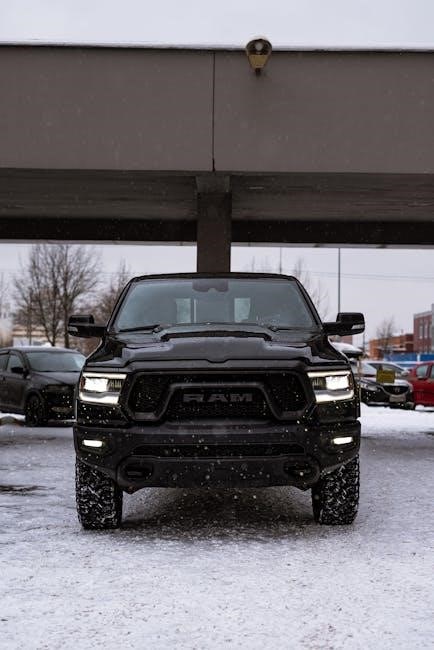
Dodge Ram manual transmissions offer a unique driving experience, appealing to enthusiasts who prefer control and simplicity․ Despite declining availability,
a dedicated community maintains and modifies these systems, valuing their durability and direct connection to the powertrain․ Owners often cite a preference for not changing driving styles․
Historical Overview of Manual Transmissions in Ram Trucks
Historically, manual transmissions were standard in Dodge Ram trucks, offering a direct link between driver and machine․ As automatic transmissions gained popularity, manual options became less common, yet retained a loyal following․ The NV3500 emerged as a mainstay for many years, known for its robustness․
Later, the Getrag 238 saw limited production, catering to those seeking a more refined manual experience․ Demand persisted, as evidenced by enthusiasts unwilling to abandon the control a manual provides․ Even today, discussions revolve around potential swaps, demonstrating a continued desire for manual options in Ram trucks, despite the shift towards automatics․
Why Choose a Manual Transmission?
Opting for a manual transmission in a Dodge Ram delivers a more engaging driving experience, granting complete control over gear selection and engine RPM․ Many drivers appreciate the simplicity and direct connection, avoiding the complexities of automatic systems․ Manuals often offer improved fuel efficiency, though modern automatics are closing the gap․
Furthermore, a manual transmission can enhance reliability, potentially reducing long-term maintenance costs․ Enthusiasts value the ability to choose their gear, especially during towing or challenging terrain․ For some, it’s simply a matter of preference – a refusal to relinquish the tactile feel of a shift knob․
Common Dodge Ram Manual Transmission Models
Several manual transmissions have been offered in Dodge Ram trucks, notably the NV3500, Getrag 238, and NV3500HD, each serving different Ram models and duty cycles․
NV3500 Transmission (1994-2004)
The New Venture NV3500 became a mainstay in Dodge Ram 1500 and 2500 models from 1994 through 2004․ Known for its robustness, this five-speed manual transmission proved reliable for many owners․ However, it’s not without its potential issues, with shift sensor (solenoid) failures being a common concern after exceeding 100,000 miles․
These failures often manifest as difficulty shifting out of first gear, requiring higher RPMs to engage the next gear․ While generally durable, regular maintenance and prompt attention to any developing issues are crucial for longevity․ The NV3500’s widespread use also means parts availability is relatively good, aiding in repairs and rebuilds․
Getrag 238 Transmission (Limited Production)
The Getrag 238, a five-speed manual transmission, saw limited production in Dodge Ram trucks, primarily sought after by enthusiasts․ It’s often considered a more desirable option than the NV3500 due to its smoother shifting characteristics and perceived stronger construction․ However, finding a Ram equipped with this transmission is challenging due to its short production run․
Swapping to a Getrag 238 is a popular upgrade, but it requires significant modifications, including adapting the shifter linkage and potentially altering the transmission tunnel․ Owners considering a swap should evaluate the cost and complexity against simply locating a truck already equipped with this transmission․
New Venture NV3500HD Transmission (Heavy Duty Applications)
The New Venture NV3500HD represents a heavy-duty iteration of the standard NV3500, designed for increased torque capacity in demanding applications․ Commonly found in heavier-duty Dodge Ram models, it offers enhanced durability for those engaging in towing or hauling․ This transmission features stronger internal components compared to its lighter-duty counterpart, providing improved reliability under stress․
Identifying an NV3500HD often involves checking the transmission code; however, visual inspection of the housing can sometimes offer clues․ While robust, like all manual transmissions, the NV3500HD is still susceptible to wear and requires regular maintenance․
Identifying Your Dodge Ram Manual Transmission
Accurate identification relies on locating the transmission identification number and decoding it, crucial for parts sourcing and repair information․ This process ensures compatibility and proper servicing․
Locating the Transmission Identification Number
Finding the transmission identification number on your Dodge Ram is the first step in determining its specific model․ Typically, this number is stamped onto the transmission case itself․ The exact location can vary slightly depending on the transmission model – NV3500, Getrag 238, or NV3500HD – and the year of your truck․
Generally, you’ll need to physically inspect the transmission․ Look for a metal tag riveted to the case, or directly stamped numbers and letters on the housing․ Access may require jacking up the vehicle and working underneath it, so safety precautions are essential․ A flashlight and a mirror can be helpful for reaching difficult spots․ Once located, carefully record the complete number for decoding․
Decoding the Transmission Code
Once you’ve located the transmission identification number, decoding it reveals crucial details about your Dodge Ram’s manual transmission․ While a comprehensive public database isn’t readily available, online Dodge Ram forums, like RamForum․com, are invaluable resources․ Members often share their decoding knowledge and experiences;
The code typically indicates the manufacturer (New Venture Gear, Getrag), the specific transmission model (NV3500, 238), and potentially internal gear ratios or build dates․ Understanding these details helps identify compatible parts during repairs or when considering a transmission swap․ Accurate decoding ensures you obtain the correct components for your specific application, avoiding costly mistakes․
Dodge Ram Manual Transmission Problems
Common issues include hard shifting, slipping gears, shift sensor failures, and clutch-related problems like worn discs or hydraulic system malfunctions, often after 100k miles․
Hard Shifting and Slipping Gears
Hard shifting and slipping gears represent a frequently reported issue within Dodge Ram manual transmissions, particularly impacting models exceeding 100,000 miles․ Owners describe difficulty transitioning between gears, often requiring elevated RPMs – around 2500 – to successfully shift out of first gear․ This symptom suggests internal wear or a failing component hindering proper gear engagement․
Slipping gears, where the transmission momentarily disengages, can also occur, indicating potential clutch wear or internal transmission damage․ Addressing these problems promptly is crucial to prevent further damage and maintain vehicle operability․ Professional diagnosis is recommended to pinpoint the root cause and implement effective repairs․
Shift Sensor (Solenoid) Issues
Shift sensors, often referred to as solenoids, are a common point of failure in Dodge Ram transmissions after approximately 100,000 miles․ These components play a vital role in electronically assisting gear selection, and their malfunction can lead to erratic shifting behavior․ A prevalent symptom is the inability to shift out of first gear unless the engine RPMs are significantly increased, typically around 2500․
Repairing this issue generally involves replacing the faulty solenoid(s), with costs averaging around $400, according to owner reports․ Accurate diagnosis by a qualified mechanic is essential to confirm the solenoid as the source of the problem and ensure a correct repair․
Clutch Problems
Clutch issues represent a significant area of concern for Dodge Ram manual transmission owners․ These problems manifest in several ways, ranging from worn clutch discs to failures within the hydraulic system․ A worn clutch disc results in slippage, reducing power transfer and potentially making it difficult to engage gears․ Hydraulic clutch systems, if equipped, can experience failures affecting clutch engagement and disengagement․
Furthermore, the clutch master cylinder is a common failure point․ Addressing these issues requires inspection and potential replacement of components, ensuring proper clutch operation and preventing further transmission damage․ Regular maintenance and proper driving habits can extend clutch life․
Worn Clutch Disc
A worn clutch disc is a frequent culprit behind clutch-related problems in Dodge Ram manual transmissions․ Over time, the friction material on the disc diminishes due to normal wear and tear, especially with aggressive driving or heavy loads․ This leads to clutch slippage, where the engine revs higher without a corresponding increase in vehicle speed․
Symptoms include difficulty shifting, a burning smell, and reduced acceleration․ Ignoring a worn clutch disc can cause further damage to the flywheel and pressure plate, escalating repair costs․ Regular inspection and timely replacement are crucial for maintaining optimal clutch performance and preventing more extensive transmission issues․
Hydraulic Clutch System Failures
Dodge Ram trucks utilizing a hydraulic clutch system can experience failures in several components․ Leaks within the hydraulic lines, master cylinder, or slave cylinder are common, leading to a loss of clutch pedal pressure․ This results in difficulty engaging or disengaging the clutch, making shifting problematic or impossible․
Air trapped within the hydraulic system can also cause similar symptoms, creating a spongy or soft pedal feel․ Thorough bleeding of the system is necessary to remove air bubbles․ Regular inspection of hydraulic components for leaks and proper fluid levels is vital for preventing these issues and ensuring reliable clutch operation․
Clutch Master Cylinder Issues
Dodge Ram manual transmission clutch master cylinders are crucial for hydraulic clutch operation, and failures manifest in several ways․ Internal leaks within the master cylinder can cause a gradual loss of clutch fluid, leading to a soft or spongy pedal feel․ Complete failure results in no clutch pedal pressure, rendering shifting impossible․
External leaks are also common, often visible around the master cylinder body or pushrod seal․ Proper diagnosis involves checking for fluid loss and inspecting the master cylinder for damage․ Replacement is typically required upon failure, and bleeding the system afterward is essential to restore proper clutch functionality․
Synchro Issues and Grinding Gears
Dodge Ram manual transmissions, particularly with higher mileage, often experience synchronizer (synchro) wear, leading to difficulty engaging gears and the dreaded grinding noise․ Synchros are responsible for matching the speed of the gears before engagement, and when worn, this process fails․ Grinding is most noticeable when shifting into second or third gear․
Ignoring grinding can cause further damage to the gears themselves․ Repair typically involves a transmission rebuild, replacing the worn synchros and inspecting other internal components․ Proper shifting technique – fully depressing the clutch and avoiding quick shifts – can help prolong synchro life․
Maintaining Your Dodge Ram Manual Transmission
Regular fluid checks and changes are crucial for longevity, alongside employing proper shifting techniques․ Adjusting the clutch cable, if equipped, ensures optimal engagement․
Regular Fluid Checks and Changes
Maintaining the correct fluid level and condition is paramount for a healthy Dodge Ram manual transmission․ Regularly check the fluid – typically GL-5 gear oil – for both level and contamination․ Low fluid levels can lead to increased wear and grinding, while dirty fluid loses its lubricating properties․
Fluid change intervals vary depending on usage, but a general guideline is every 30,000 to 60,000 miles․ Severe driving conditions, such as frequent towing or off-roading, necessitate more frequent changes․ When changing the fluid, inspect the drain plug for metal shavings, which could indicate internal component wear․ Using the correct fluid type is critical; consult your owner’s manual or a trusted repair guide for specifications․
Proper Shifting Techniques
Mastering proper shifting significantly extends the life of your Dodge Ram’s manual transmission․ Avoid “speed shifting” or forcing the gear lever, as this causes excessive wear on synchronizers․ Fully depress the clutch pedal before each shift, ensuring complete disengagement of the engine․
Match engine speed to road speed during downshifts to minimize wear and prevent jerky transitions․ Rev-matching, while requiring practice, creates smoother shifts and reduces stress on the transmission components․ Avoid resting your foot on the clutch pedal while driving, as this causes unnecessary clutch wear․ Smooth, deliberate shifts are key to longevity․
Clutch Cable Adjustment (If Applicable)
For Dodge Rams utilizing a clutch cable – typically older models – proper adjustment is crucial for optimal performance․ A correctly adjusted cable ensures full clutch engagement and disengagement, preventing slipping or difficulty shifting․ Too much slack results in incomplete clutch engagement, while too little can cause constant clutch drag․
Adjustment usually involves a threaded adjuster on the cable itself or near the pedal․ Consult your vehicle’s repair manual for the specific procedure and recommended free play․ Regularly check and readjust as needed, as cables can stretch over time․ Incorrect adjustment leads to premature wear and potential transmission damage․
Manual Transmission Swaps
Swapping transmissions in a Dodge Ram is possible, with the NV3500 and Getrag 238 being common choices, though it requires significant effort and expense, including shifter modifications․
Feasibility of Swapping Transmissions
Considering a manual transmission swap in your Dodge Ram requires careful evaluation․ While feasible, it’s rarely a simple bolt-in process, especially moving from an automatic․ The complexity increases with the model year and original transmission type․ A swap from an automatic necessitates sourcing not only the manual transmission itself, but also a compatible clutch, pedal assembly, and potentially modifying the shift linkage or creating a custom tunnel․
Furthermore, the electronic vehicle control systems may need adjustments to accommodate the change․ Some owners suggest it might be more cost-effective to sell the existing truck and purchase one already equipped with a manual transmission, unless a transmission replacement is already needed․
NV3500 vs․ Getrag 238 Swap Considerations
When choosing between the NV3500 and Getrag 238 for a swap, several factors come into play․ The NV3500 is generally more readily available and robust, making it a popular choice for heavier-duty applications and easier sourcing of parts․ However, the Getrag 238 is often favored for its smoother shifting and closer gear ratios, appealing to performance enthusiasts․
The Getrag’s limited production run means finding one can be challenging and potentially more expensive․ Both transmissions require careful consideration of bellhousing compatibility and clutch setup․ Ultimately, the best choice depends on your truck’s intended use and your budget․
Cost and Complexity of a Transmission Swap
A manual transmission swap on a Dodge Ram can range significantly in cost, typically between $1,500 and $4,000, depending on parts sourcing and labor․ Complexity varies; converting from automatic requires more than just the transmission itself․ You’ll need a clutch pedal assembly, master and slave cylinders, a compatible clutch, potentially a new shifter assembly, and modifications to the transmission tunnel․
Some swaps may necessitate a change from a column shifter to a floor shifter, adding to the work․ Unless you’re highly experienced, professional installation is recommended to ensure proper functionality and avoid costly errors․
Finding Parts for Your Dodge Ram Manual Transmission
Locating parts involves exploring online retailers, local auto parts stores, and salvage yards for both new and used components․ Dedicated forums also facilitate parts sourcing․
Online Retailers
Numerous online retailers specialize in parts for Dodge Ram manual transmissions, offering a wide selection and competitive pricing․ Websites like RockAuto are frequently mentioned by enthusiasts for their extensive catalogs and discounted rates on various components, including clutch kits, synchronizers, and seals․
eBay can also be a valuable resource, particularly for locating rare or discontinued parts, often sourced from salvage yards or individual sellers․ Amazon provides convenience and fast shipping for commonly needed items like fluids and smaller repair components․ When purchasing online, carefully verify the part number and compatibility with your specific transmission model to ensure a proper fit and avoid unnecessary returns․
Local Auto Parts Stores
While online retailers offer extensive catalogs, local auto parts stores remain a convenient option for Dodge Ram manual transmission needs․ Stores like AutoZone, Advance Auto Parts, and NAPA often stock common components such as clutch discs, pressure plates, and throw-out bearings․
A significant advantage of visiting a local store is the ability to receive personalized assistance from knowledgeable staff who can help identify the correct parts for your specific truck and transmission․ They can also offer advice on installation and troubleshooting․ Furthermore, immediate availability can minimize downtime, allowing for quicker repairs, especially for urgent issues like a failing clutch․
Salvage Yards
For Dodge Ram manual transmission parts, salvage yards present a cost-effective alternative to new or rebuilt components․ These yards, also known as auto wreckers, contain used parts removed from totaled or decommissioned vehicles․ You might find complete transmissions, individual gears, shift forks, or even housings at significantly reduced prices․
However, purchasing from salvage yards requires diligence․ Thoroughly inspect the parts for wear and damage before buying, and inquire about the vehicle’s history․ It’s crucial to verify compatibility with your specific Ram model and transmission type․ Be prepared to potentially perform some cleaning and refurbishment before installation․
Resources for Dodge Ram Manual Transmission Owners
Online forums like RamForum․com and the r/DodgeRam subreddit provide valuable support, repair guides, and community knowledge for Dodge Ram manual transmission owners․
RamForum․com
RamForum․com stands as a comprehensive online community specifically dedicated to Dodge Ram truck owners and enthusiasts․ Within its extensive forums, a dedicated section caters to those with manual transmissions, offering a wealth of information and support․ Users frequently discuss troubleshooting common issues, share repair experiences, and offer advice on modifications and upgrades․
The forum’s archives contain a vast collection of threads addressing various manual transmission concerns, from hard shifting and clutch problems to identifying transmission codes․ Members often share detailed guides, photos, and even videos demonstrating repair procedures․ It’s a valuable resource for both novice and experienced owners seeking to maintain or restore their Dodge Ram’s manual drivetrain, and a place where the desire to retain manual options is strong․
Dodge Ram Reddit (r/DodgeRam)
r/DodgeRam on Reddit provides a dynamic and active platform for Dodge Ram enthusiasts to connect and discuss all aspects of their trucks, including manual transmissions․ The subreddit frequently features threads where owners inquire about transmission swaps, specifically exploring the feasibility of installing an NV3500 or Getrag 238 into their vehicles․
Discussions often revolve around the challenges and costs associated with such swaps, including the need for clutch modifications and shifter conversions․ Members openly share their experiences and offer advice, acknowledging that selling the truck and purchasing a factory-equipped manual model might be more practical in some cases․ It’s a space for real-world insights and community-driven problem-solving regarding manual transmissions․
Repair Manuals and Online Guides
Dodge Ram manual transmission repair and maintenance are significantly aided by readily available resources․ Comprehensive repair manuals, often specific to the year and model, provide detailed diagrams and step-by-step instructions for diagnosing and resolving issues․ These manuals cover everything from clutch adjustments to complete transmission overhauls․
Numerous online guides and forums, like RamForum․com, supplement these manuals with practical advice from experienced owners․ These platforms often feature troubleshooting tips, parts lists, and shared experiences related to common problems like hard shifting or synchro issues․ Accessing these resources empowers owners to perform some repairs themselves, saving on labor costs․
The Future of Manual Transmissions in Ram Trucks
Currently, manual options are scarce in Ram trucks, with demand being a key factor․ Swapping transmissions remains a viable, though complex, alternative for enthusiasts․
Current Availability
As of today, March 24, 2026, obtaining a new Dodge Ram 1500 with a manual transmission directly from the factory is exceedingly difficult, if not impossible․ Ram discontinued offering manual transmissions in their 1500 series trucks several years ago, focusing instead on automatic transmissions to meet broader market demands․
While older models (particularly those from the 1994-2004 era featuring the NV3500) are available on the used market, finding a well-maintained example requires patience and diligence․ The limited production run of the Getrag 238 further restricts options for those seeking a specific manual transmission model․ Consequently, enthusiasts often turn to transmission swaps as a means of achieving their desired driving experience․
Demand for Manual Options
Despite the lack of factory availability, a consistent, albeit niche, demand persists for manual transmission Dodge Rams․ Online forums like RamForum․com and the r/DodgeRam subreddit demonstrate a dedicated community actively seeking and discussing manual options․ This demand stems from a preference for driver control, a more engaging driving experience, and a resistance to automatic transmission reliance․
Many enthusiasts express willingness to undertake transmission swaps – like NV3500 or Getrag 238 conversions – to achieve a manual setup, even acknowledging the associated costs and complexities․ This suggests a strong emotional connection to the manual driving experience, outweighing the convenience of automatic systems for a dedicated group of owners․